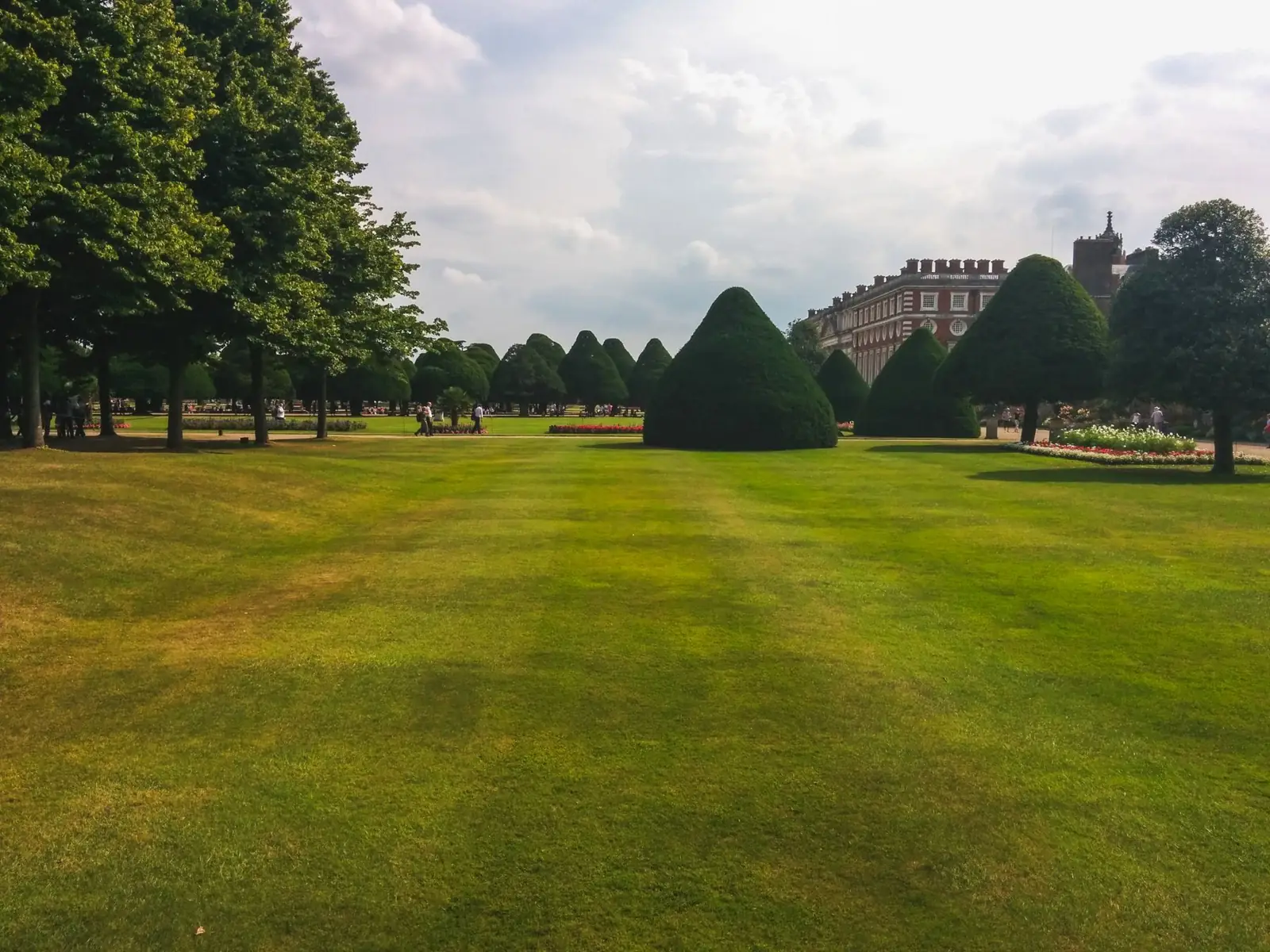
Many gardens peak for a few weeks in early summer and look tired for the rest of the year. A garden designed for year-round interest is not one that flowers all the time. It is one where something is always worth looking at.
Start with winter
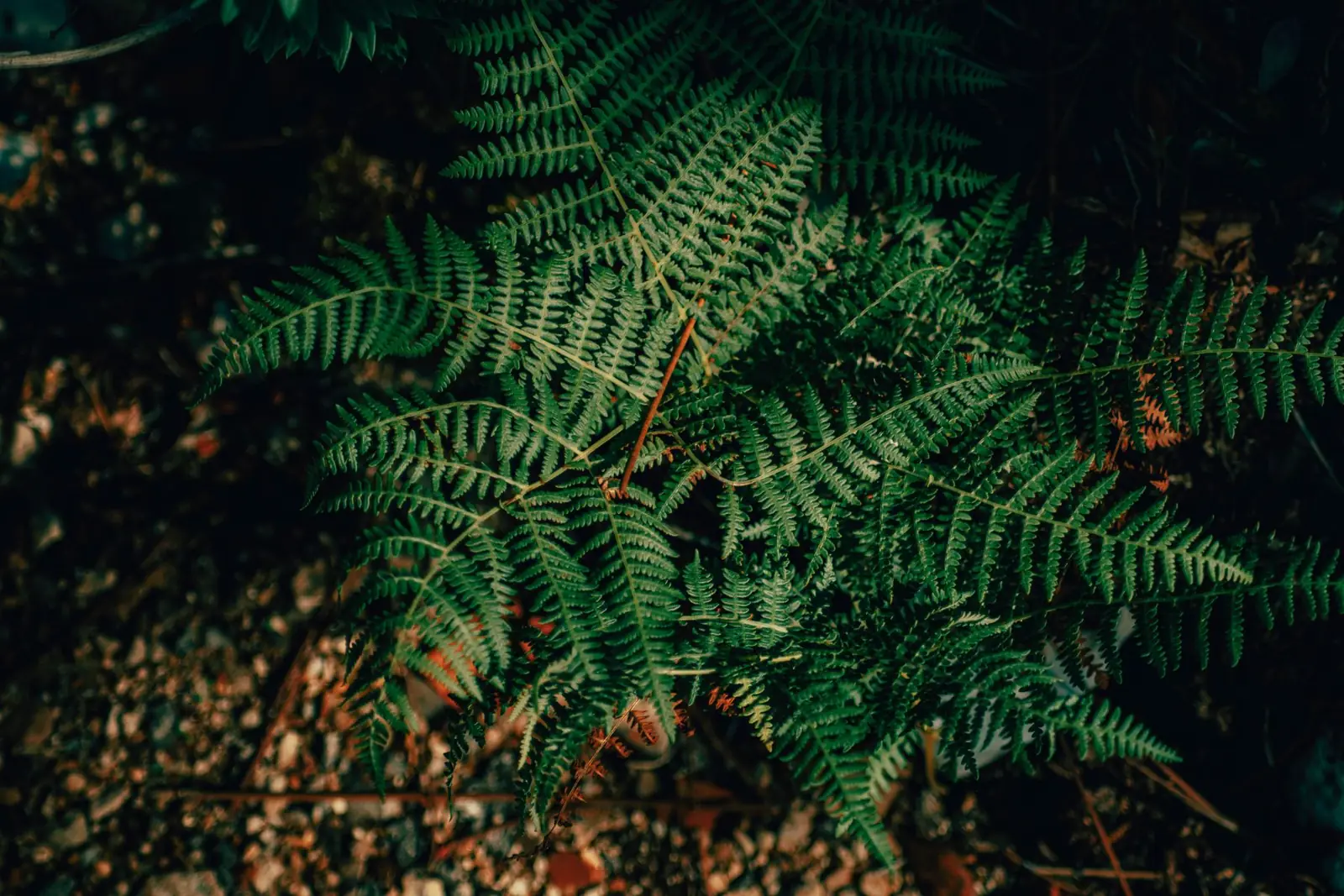
We design for February first. When the flowers have gone, what is left? Evergreen hedges and clipped shapes, the outline of trees, coloured bark and the skeletons of grasses and seedheads. If the garden has good bones in winter, everything else is a bonus.
- Evergreen structure: yew, Ilex crenata, pittosporum and clipped shapes, about a third of the planting by area.
- Bark and stems: white birch, Prunus serrula, red and yellow dogwoods.
- Winter flowers and scent: hellebores, sarcococca, witch hazel and Daphne.
Spring: a long succession of bulbs
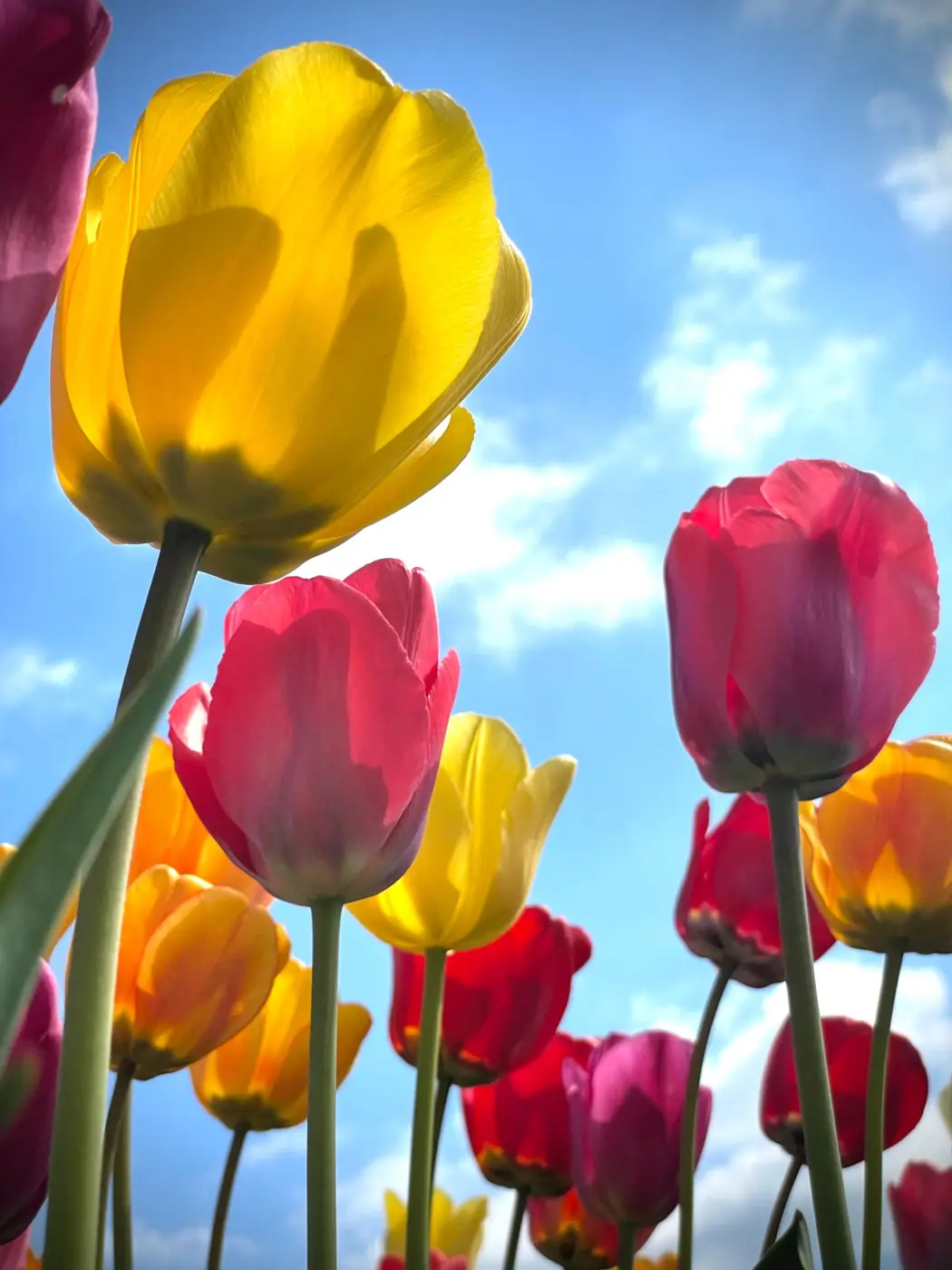
Bulbs let you squeeze an extra season into the same space. Plan a sequence: snowdrops and crocus in February, narcissi and fritillaries in March, tulips in April, alliums and camassias in May. Plant them between perennials, which will hide the dying foliage.
Summer: perennials and roses
The main show. Choose perennials that flower for a long time, such as Geranium 'Rozanne', Salvia nemorosa, nepeta, astrantia and repeat-flowering roses, and repeat them through the border for rhythm.
Autumn: the second peak
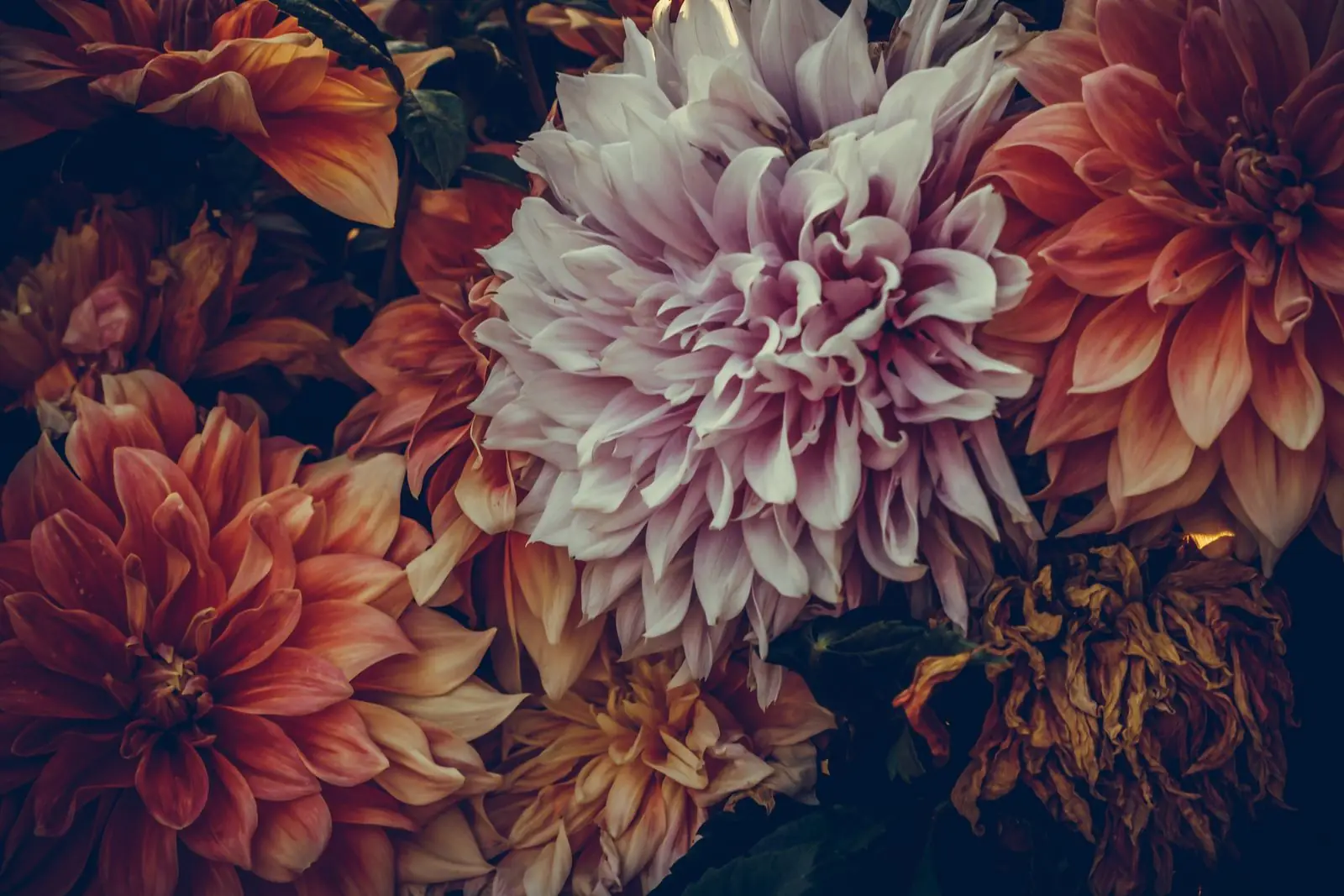
A well-planned garden has a second peak in September and October. Late perennials such as asters, sanguisorba, persicaria and Japanese anemones, along with dahlias and grasses at their best, plus trees colouring up, can make autumn the most beautiful season of all.
Leave the seedheads
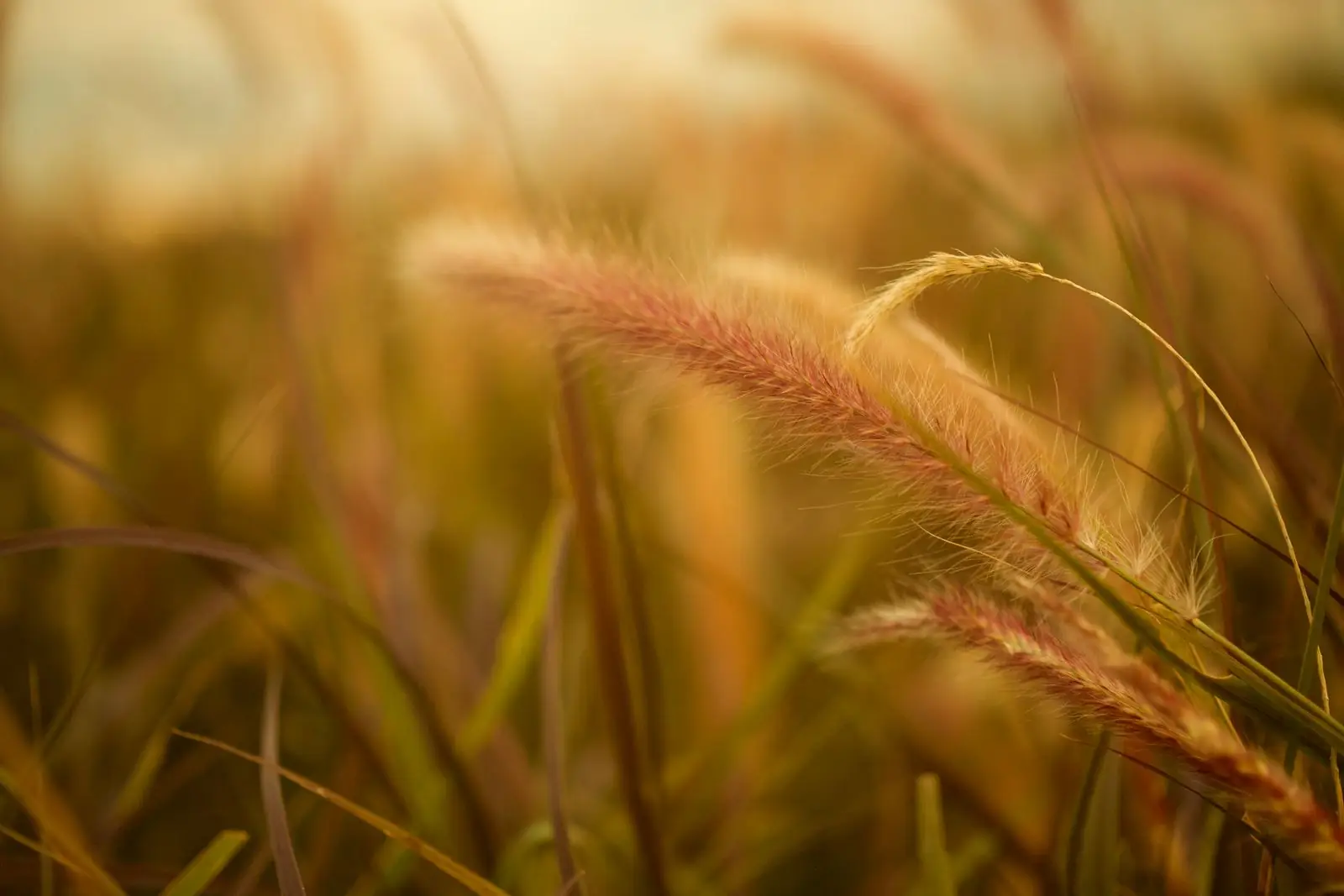
Resist cutting everything back in autumn. Seedheads of phlomis, echinacea, eryngium, sedum and grasses look magical with frost on them and feed the birds. Cut back in late February instead.
A simple checklist
- At least one plant of interest in every month.
- Roughly a third evergreen structure.
- Bulbs planted through every border.
- Plants chosen for seedheads and autumn colour, not just flowers.
Structure is the subject of our page on architectural planting.