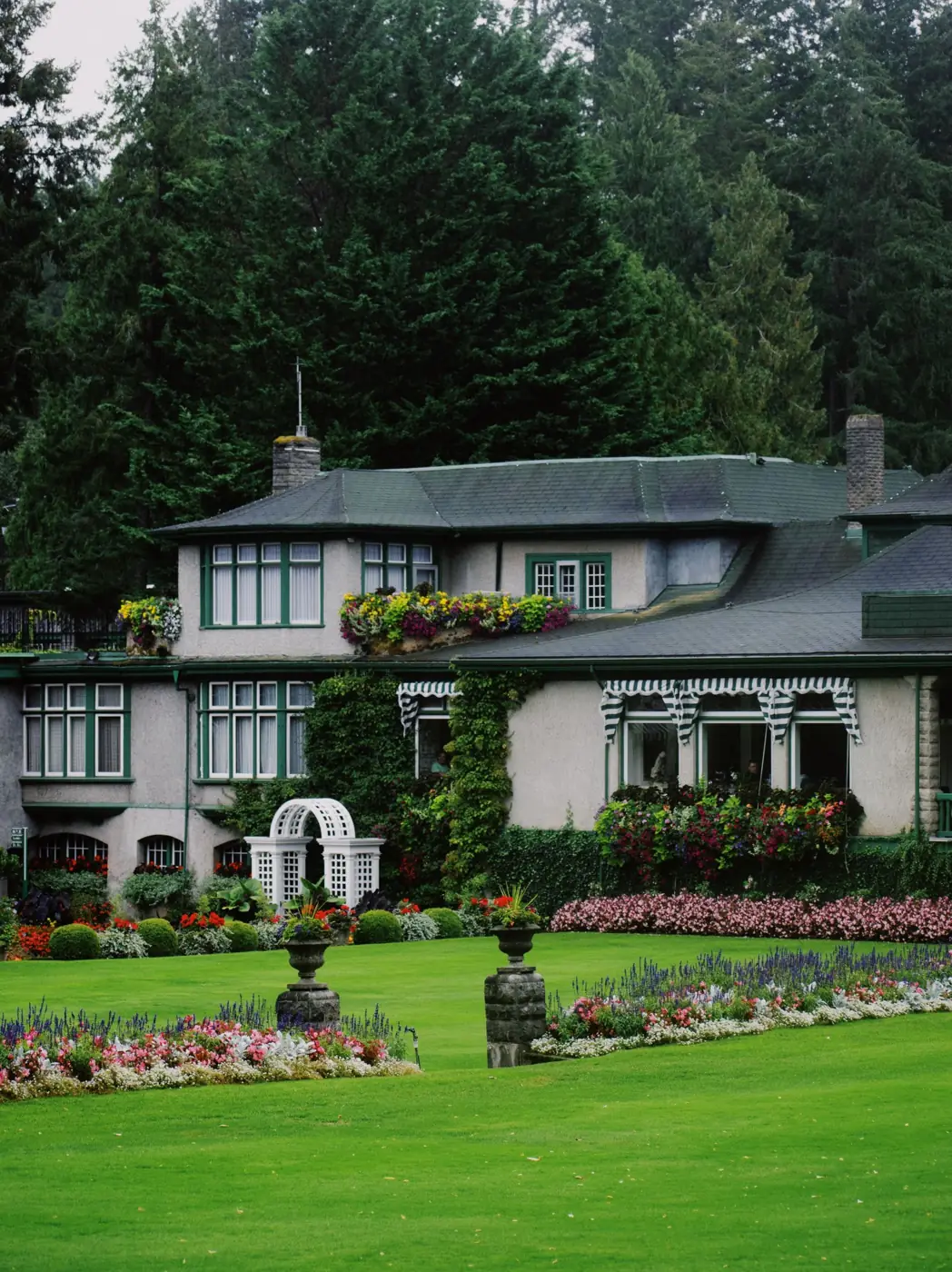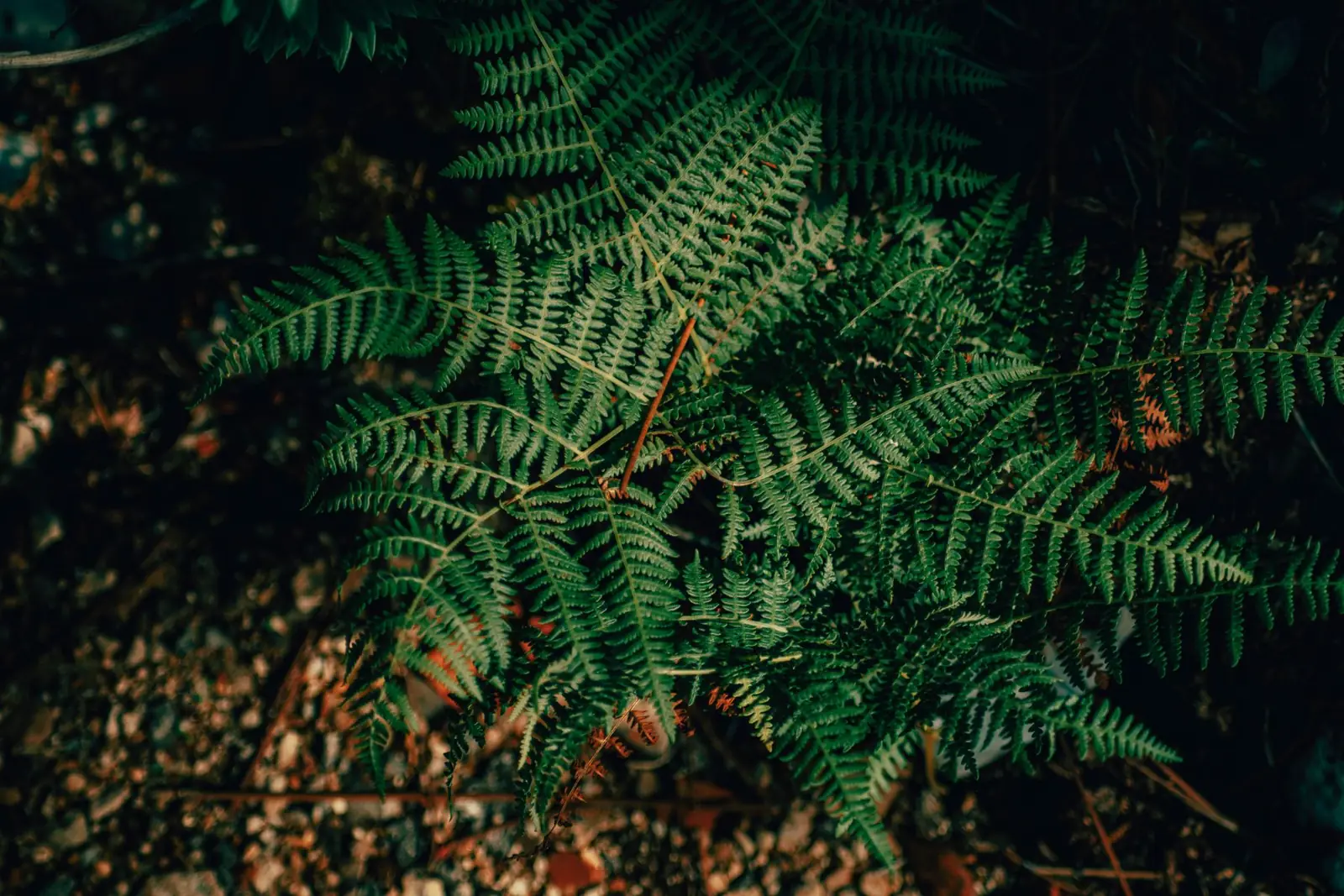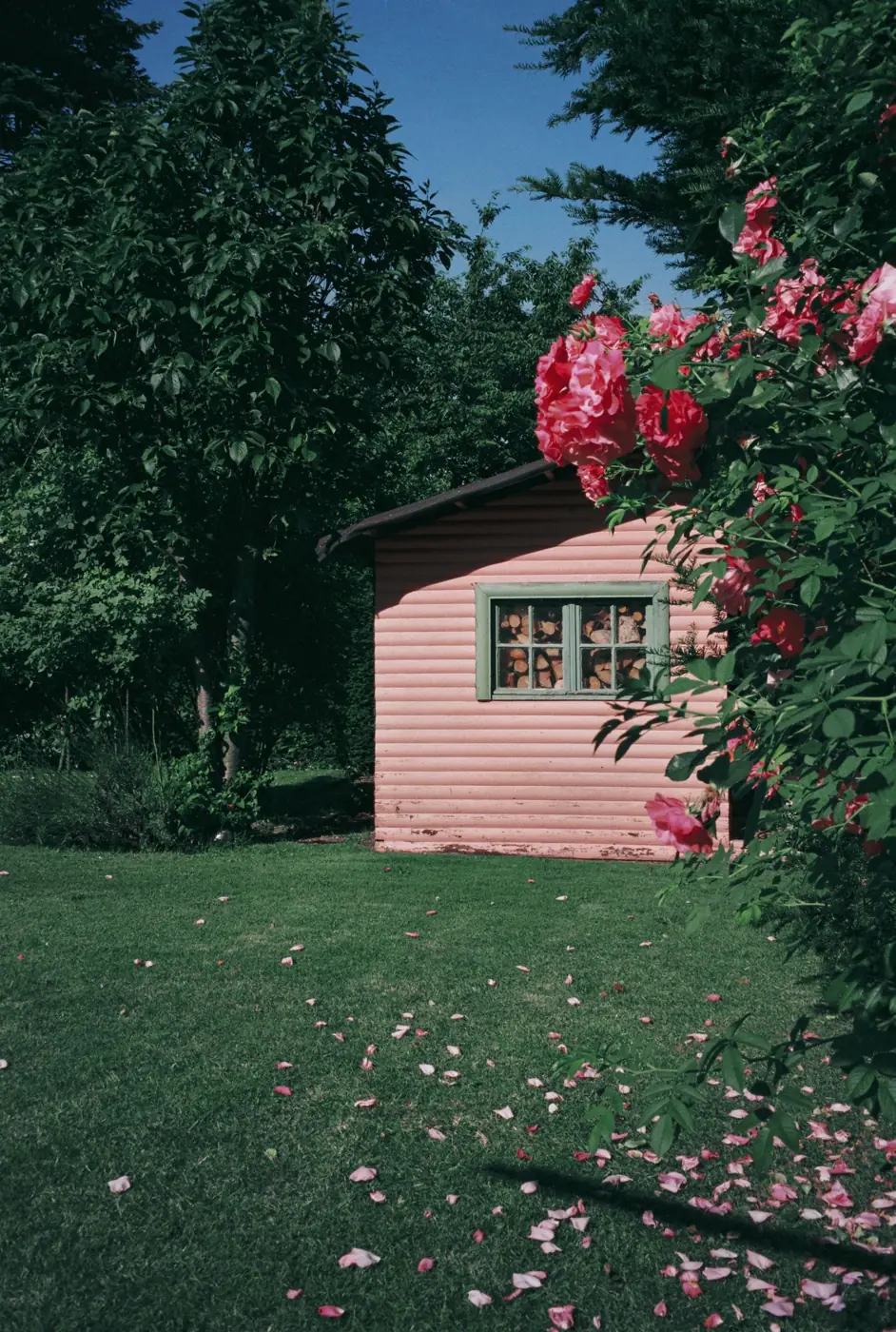
Artists notice everything: the way light falls across a wall at four o'clock, the colour of a seedhead in November, the movement of grass in wind. A garden for an artist, or around a studio, should give them something to look at. Above all, it should be atmospheric.
Planting like a painter
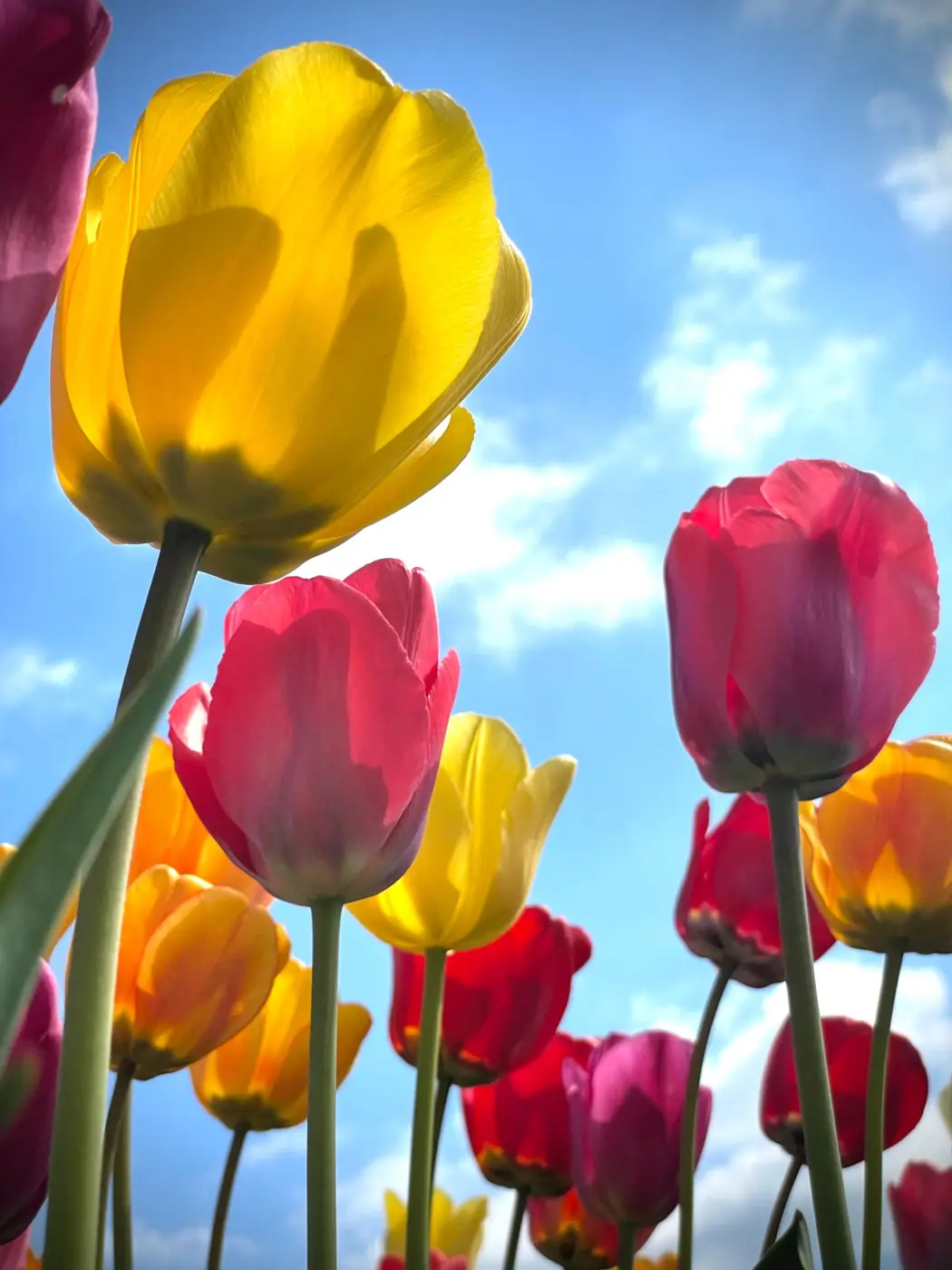
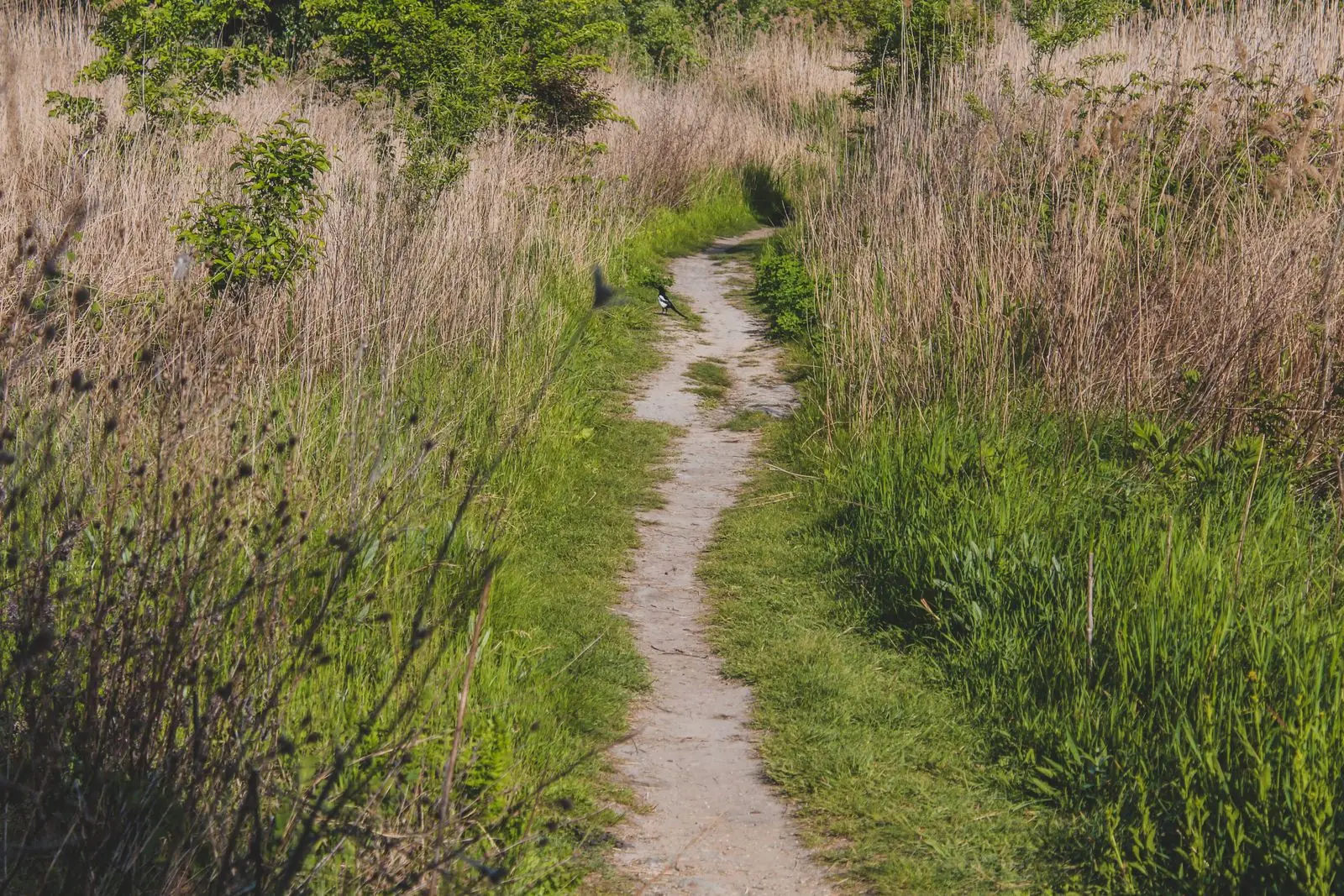
Atmospheric planting is about mood rather than display. It uses a limited palette of colours repeated through the garden, plants with soft, see-through forms, and a lot of texture. The result looks less like a border and more like a painting: layered, hazy and changing all the time.
- See-through plants such as Verbena bonariensis, thalictrum, sanguisorba and grasses veil the view and add depth.
- A restrained palette of, for example, plum, apricot and silver, or white and green, repeated so the eye travels.
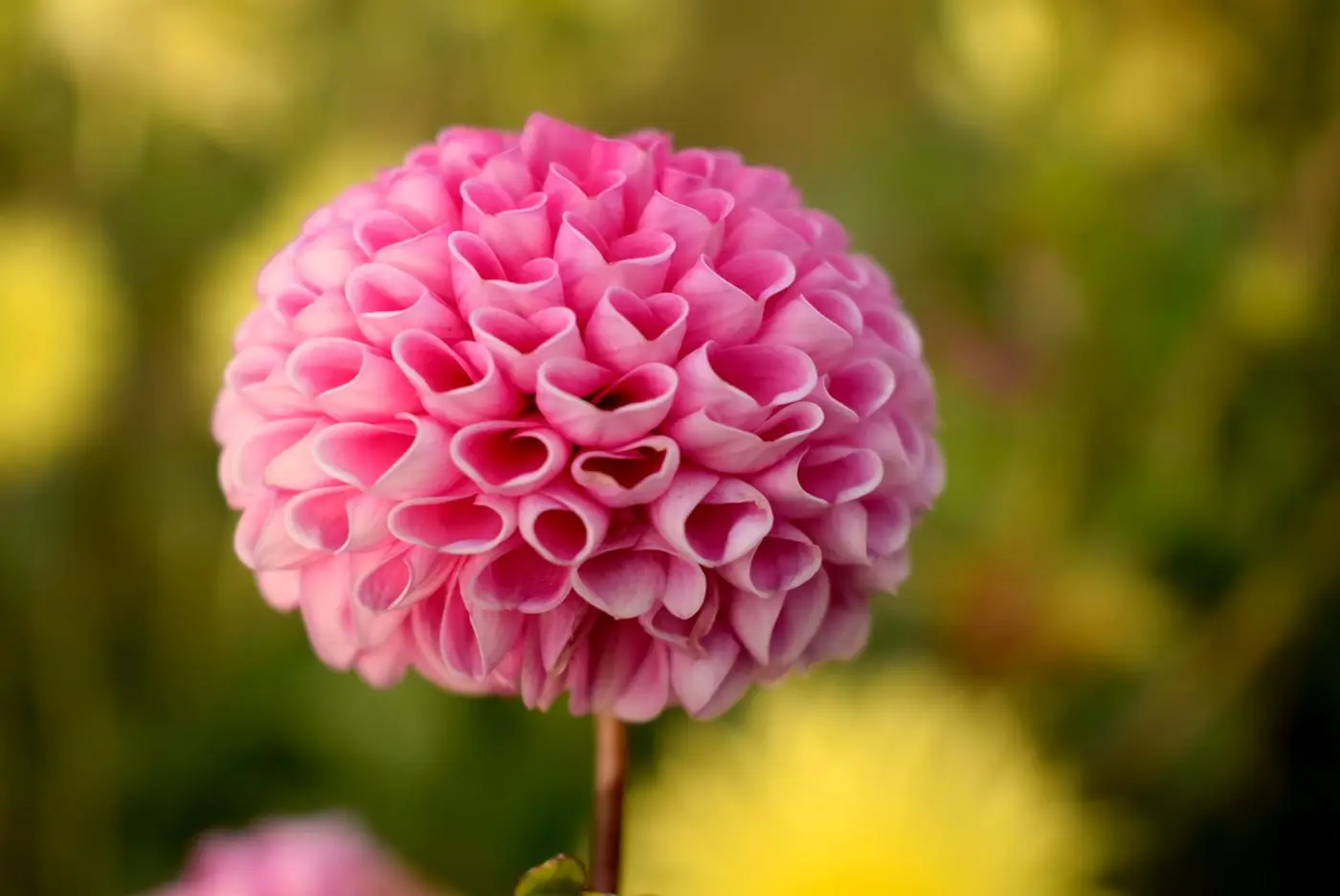
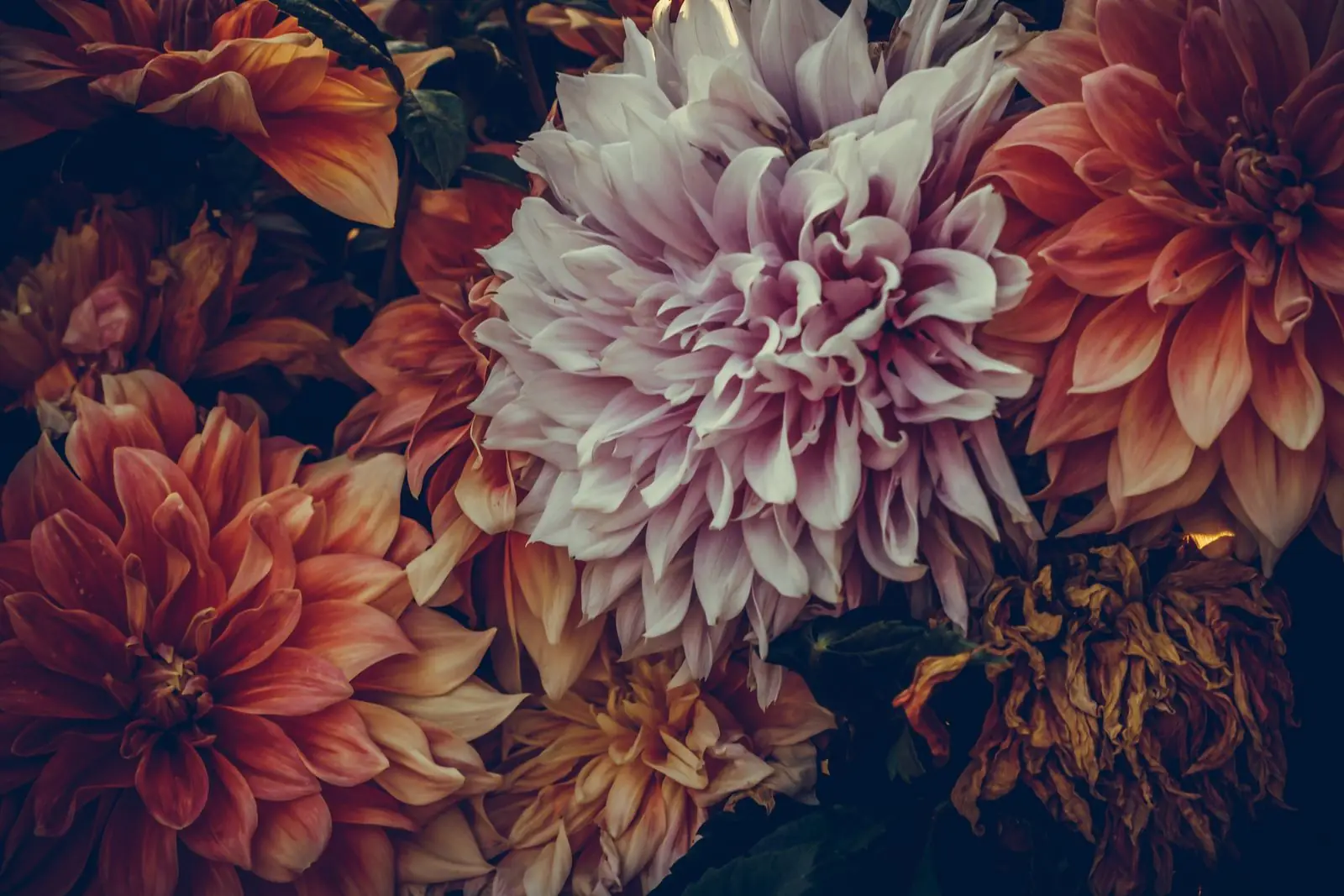
- Flowers that age well: dahlias, roses and hydrangeas whose faded tones are as beautiful as the fresh ones.
Light and the studio
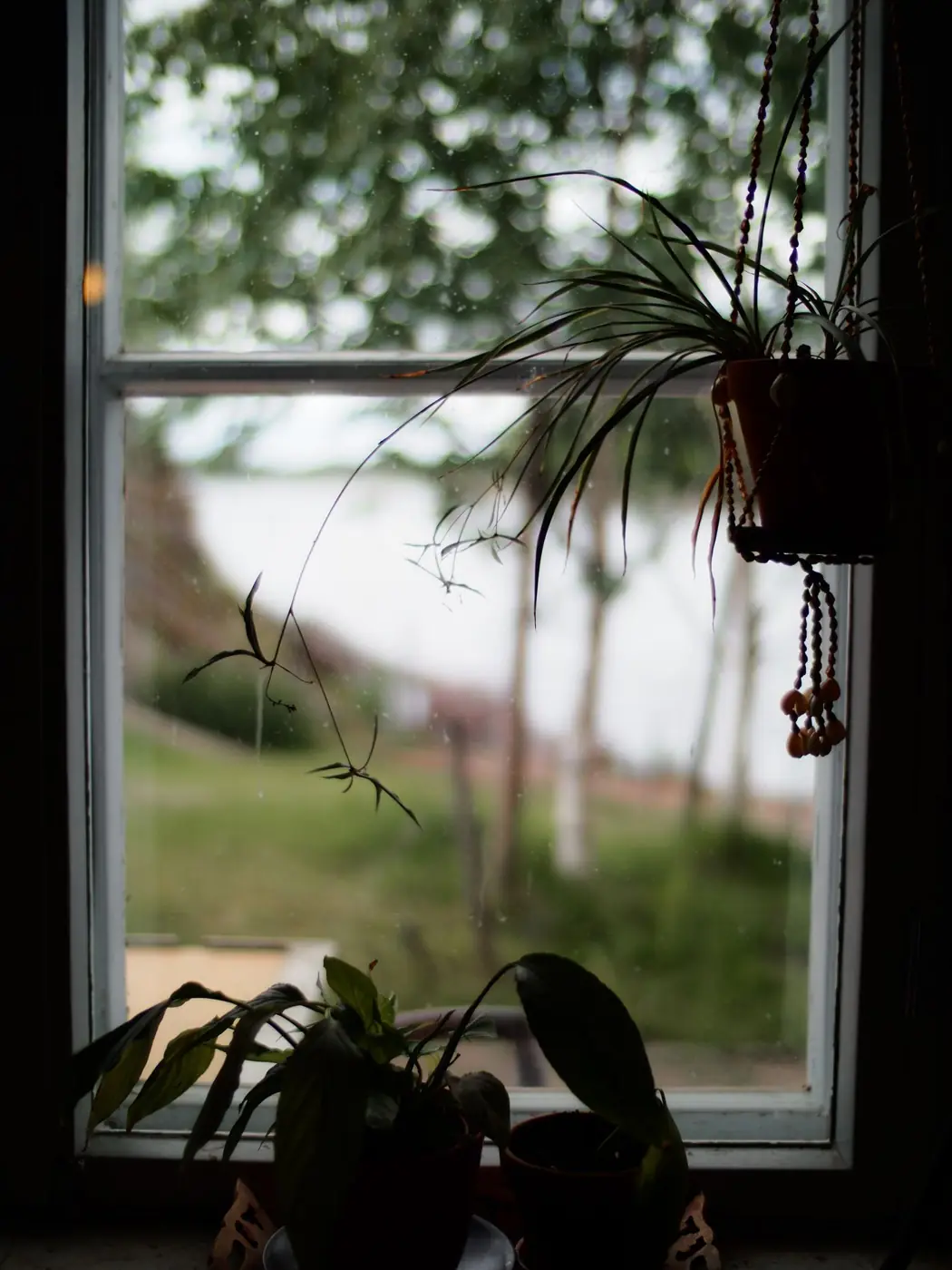
Studios are often lit from the north, and the view from the studio window matters. We place planting so that it catches low sun from behind (grasses and seedheads glow when backlit) and keep the view from the working space calm, with bright colour saved for areas seen on the way in and out.
Gardens that change
An artist's garden should never be finished. We often leave room in the planting plan for self-seeders such as poppies, foxgloves and verbascum, which move around the garden from year to year and keep it unpredictable. Seedheads are left standing through winter for their silhouettes and for the birds.
Practical studio gardens
Studios need access for materials, somewhere to work outside and somewhere to wash brushes and tools. We design those practical spaces into the garden so they are attractive in their own right, rather than an afterthought.