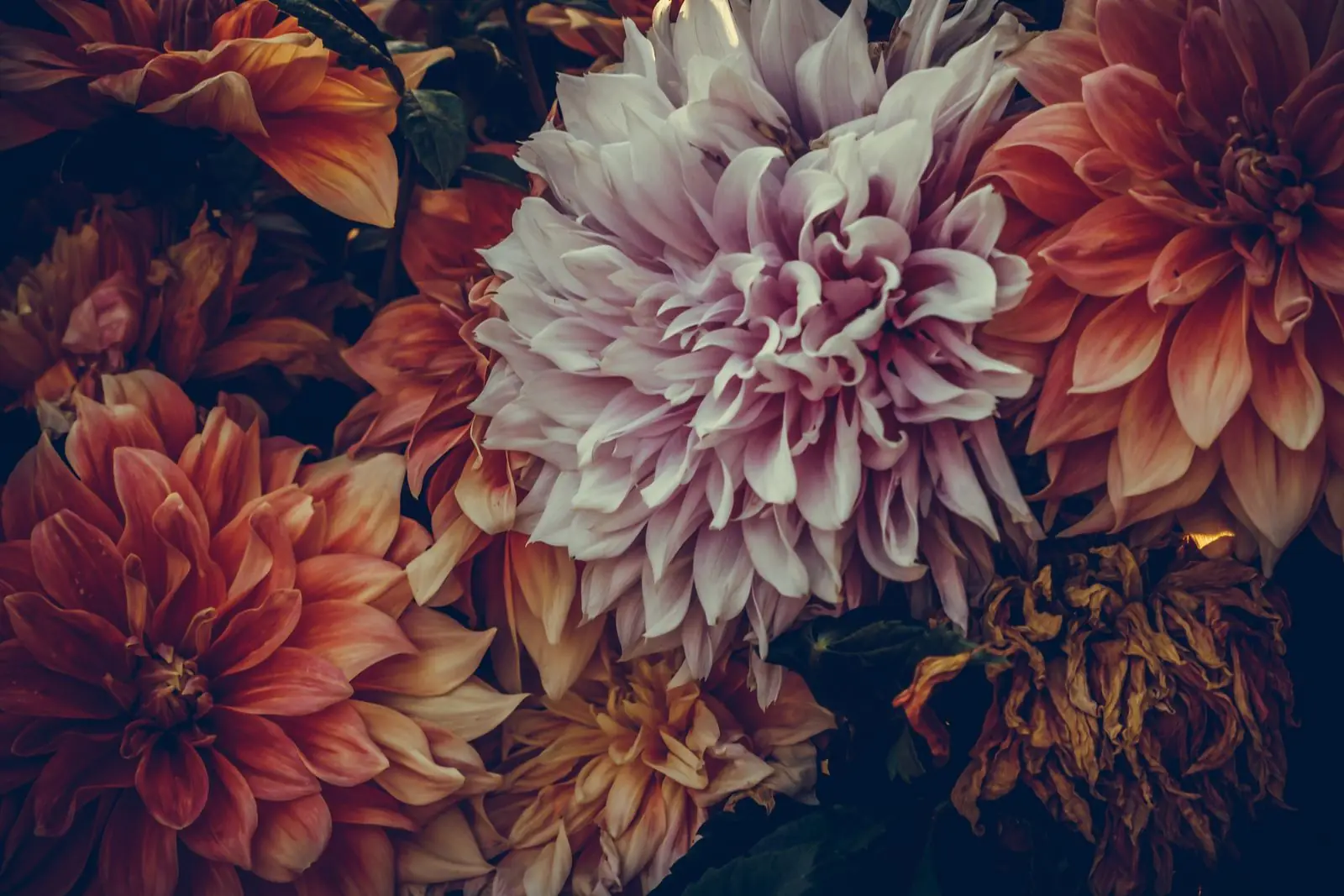
Few plants give as much as a dahlia. From July until the first frost they produce flower after flower in almost every colour and form. Once dismissed as old-fashioned, they are now among the most useful plants for late-season borders.
Choosing dahlias for the border
For borders rather than the cutting garden, look for varieties with good foliage, strong stems and flowers held above the leaves. Single and collerette forms are lighter in feel and loved by pollinators; decorative and pompon types are more formal.
- Dark leaves: 'Bishop of Llandaff' and the 'Bishop' series add drama even before flowering.
- Soft colours: apricot, peach and dusky pink blend easily with grasses.
- Tall and airy: Dahlia merckii and single types weave through naturalistic planting.
Combining dahlias with other plants
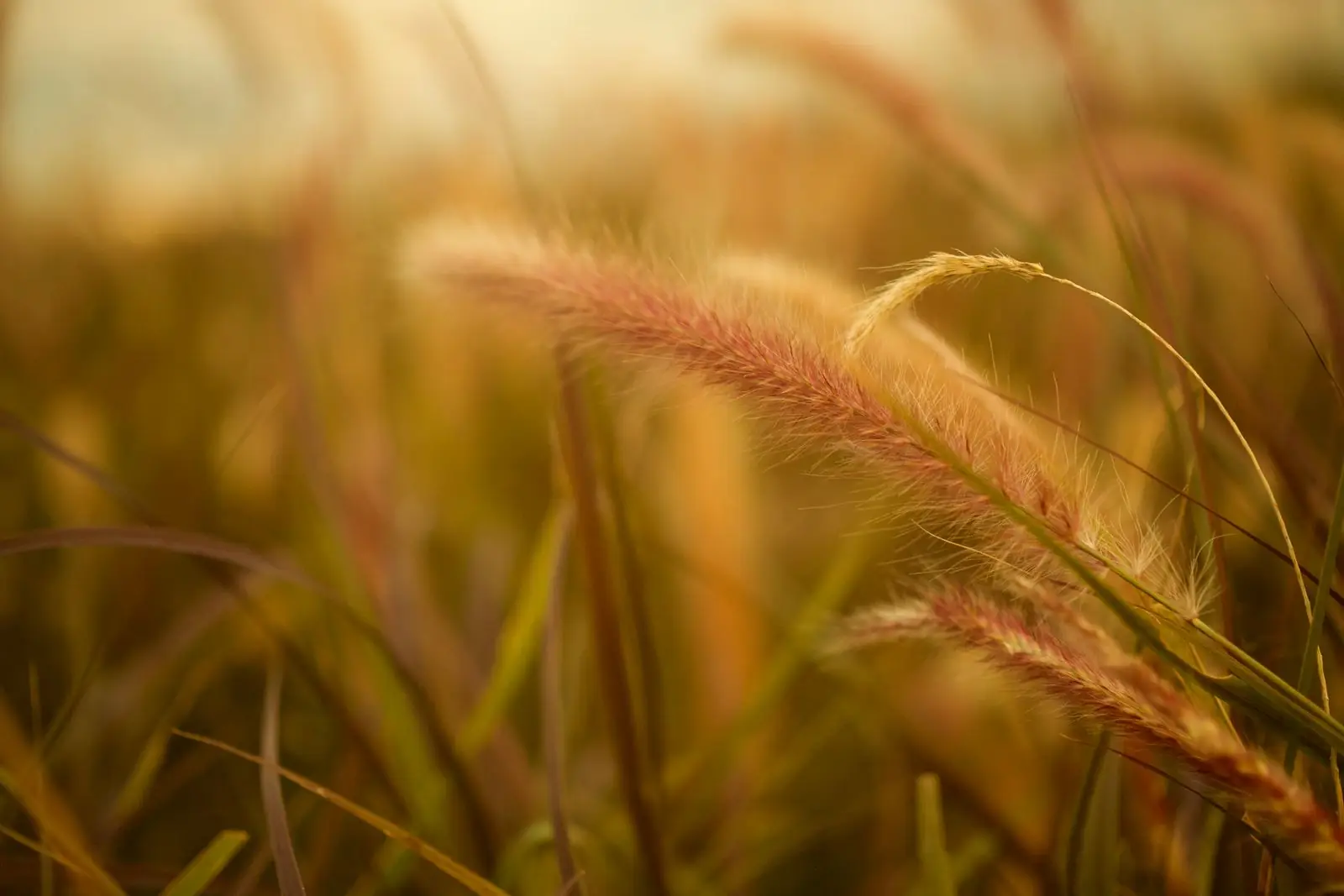
Dahlias look best when mixed into the border rather than grown in a block. Plant them among grasses such as Stipa tenuissima or Pennisetum, with salvias, Verbena bonariensis and asters. The grasses soften their solid flowers; the dahlias give the grasses colour.
Planting
Plant tubers outside in late April or May, once the danger of frost has passed, about 10cm deep in rich, well-drained soil in full sun. Alternatively, start them in pots under cover in March for earlier flowers. Protect young shoots from slugs.
Staking and feeding
Tall varieties need support. Insert stakes at planting time to avoid spearing the tubers later, and tie in as they grow. Feed fortnightly with a high-potash fertiliser in summer and deadhead regularly to keep flowers coming.
Overwintering
In sheltered London gardens with free-draining soil, many dahlias survive the winter in the ground under a thick mulch. On heavy clay or in colder gardens, lift them after the first frost blackens the foliage. Cut the stems to 10cm, dry the tubers upside down and store them in a frost-free place in dry compost until spring.
Dahlias are a favourite in our artist's garden and country garden planting schemes.