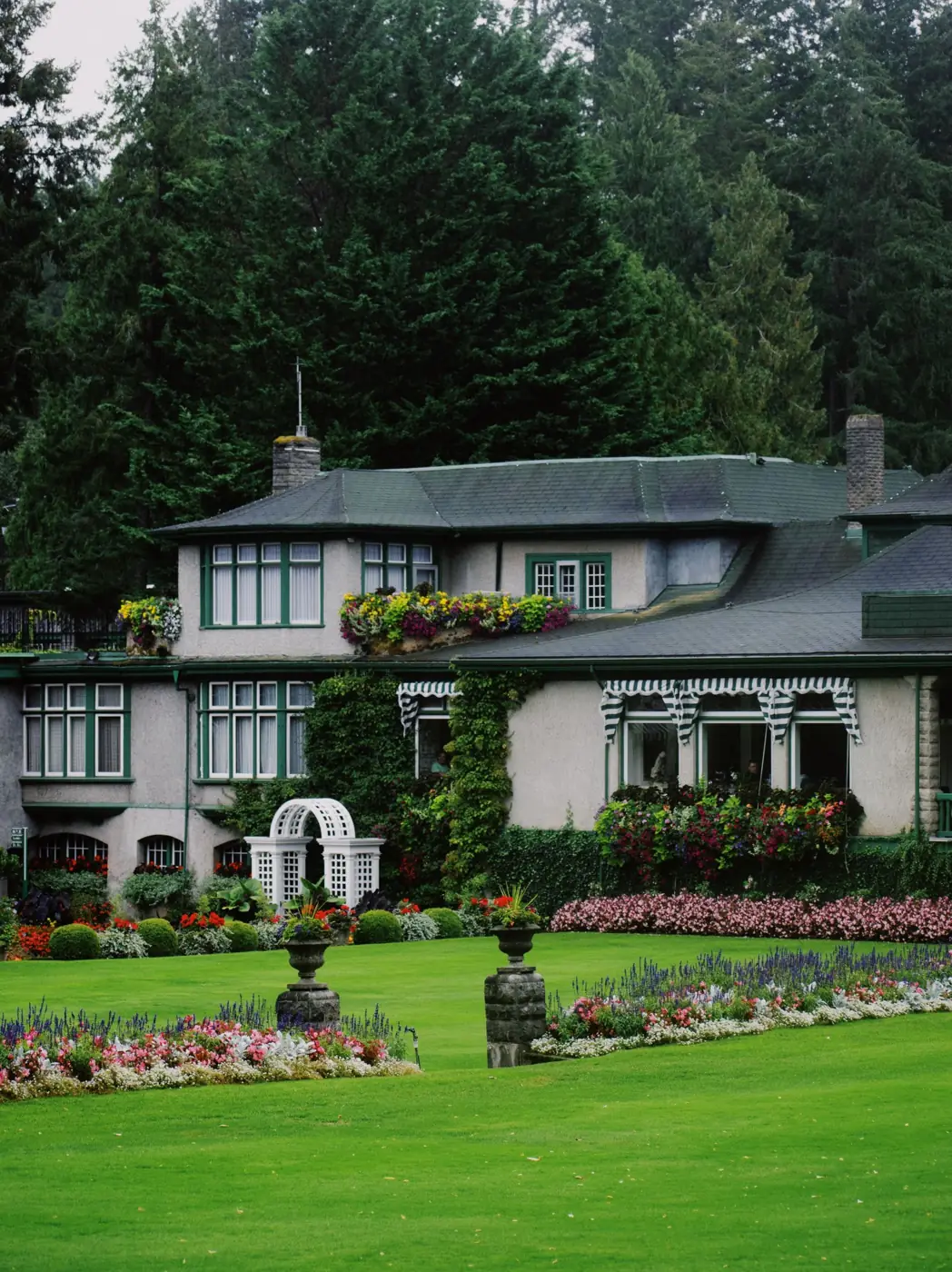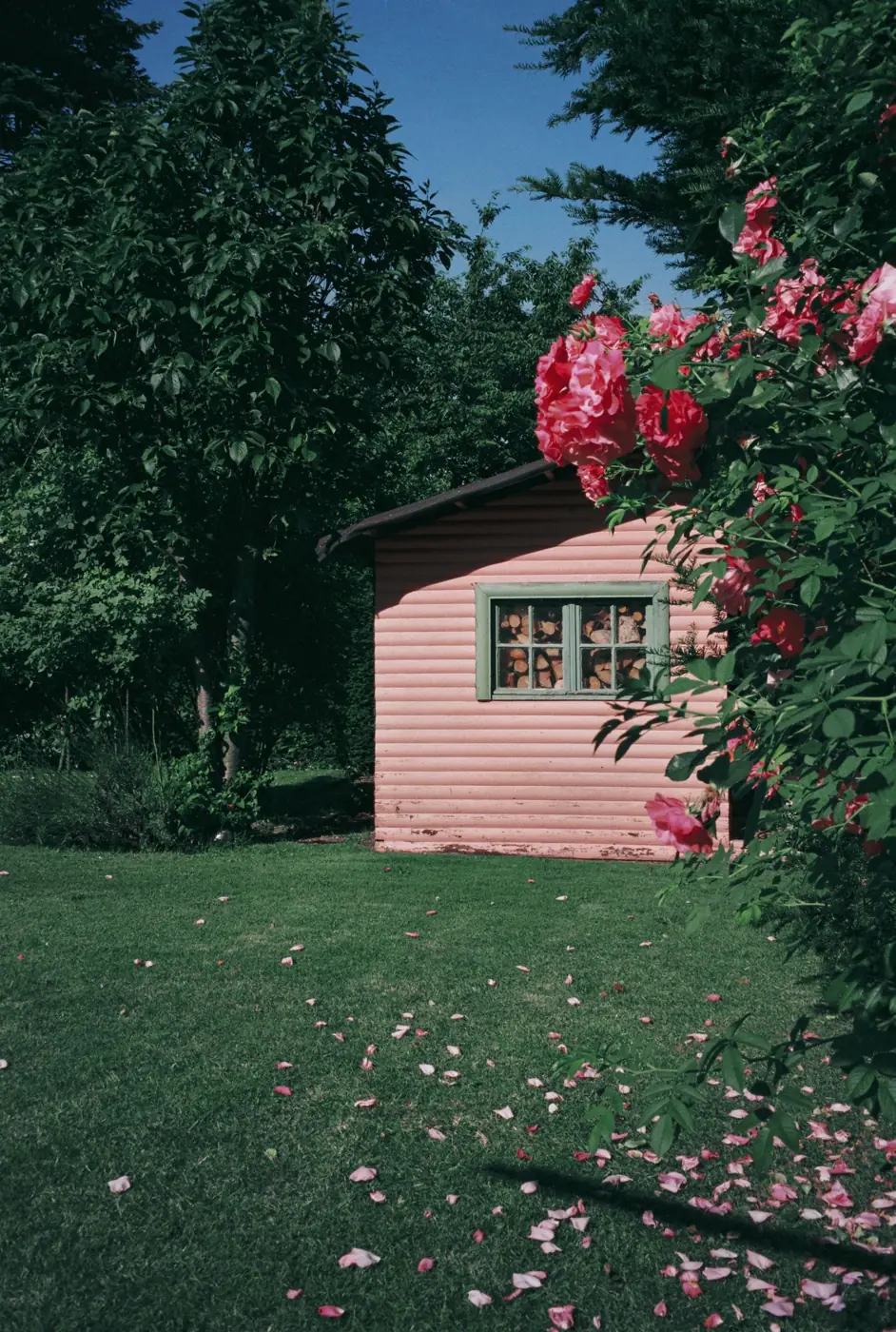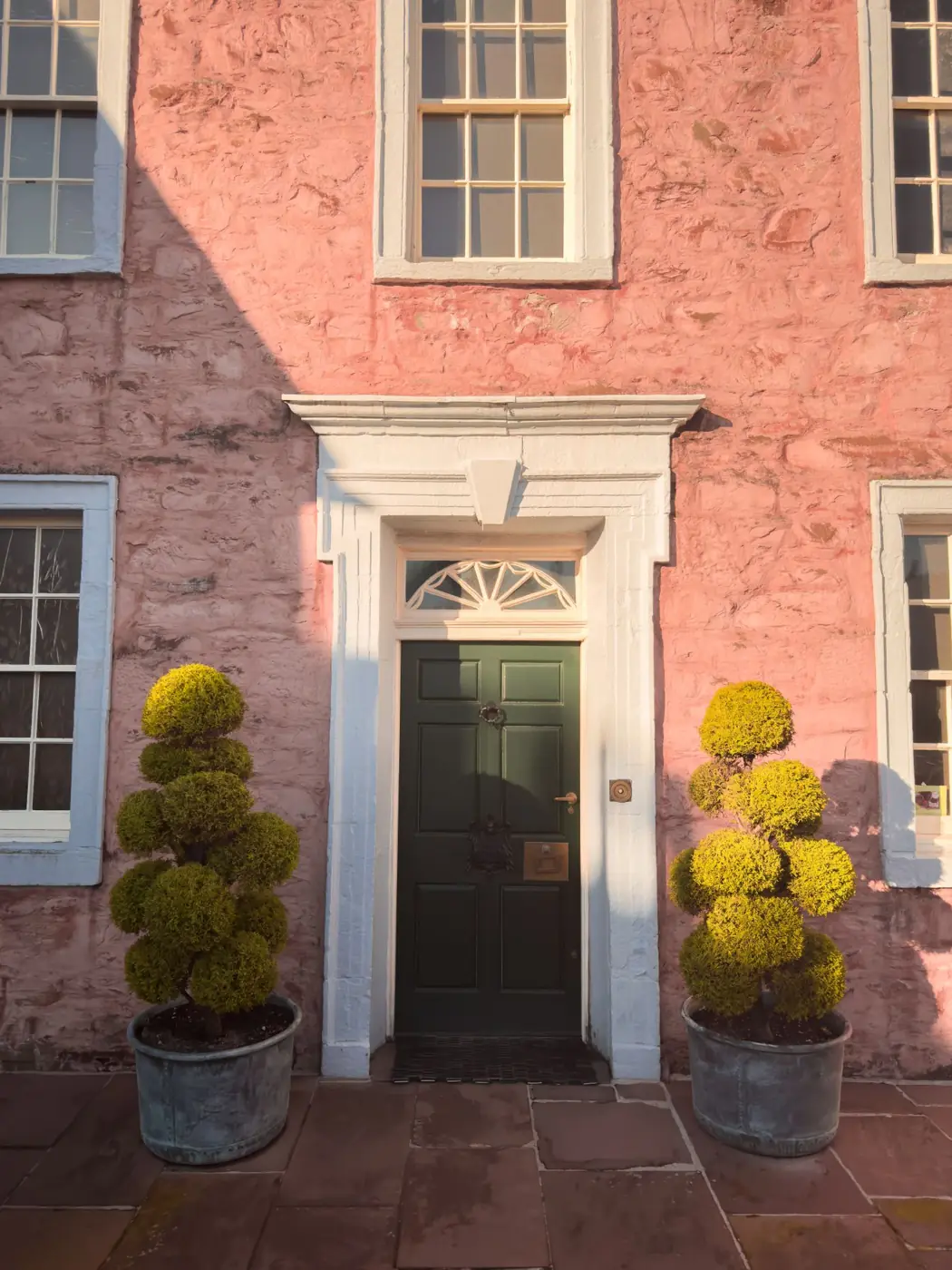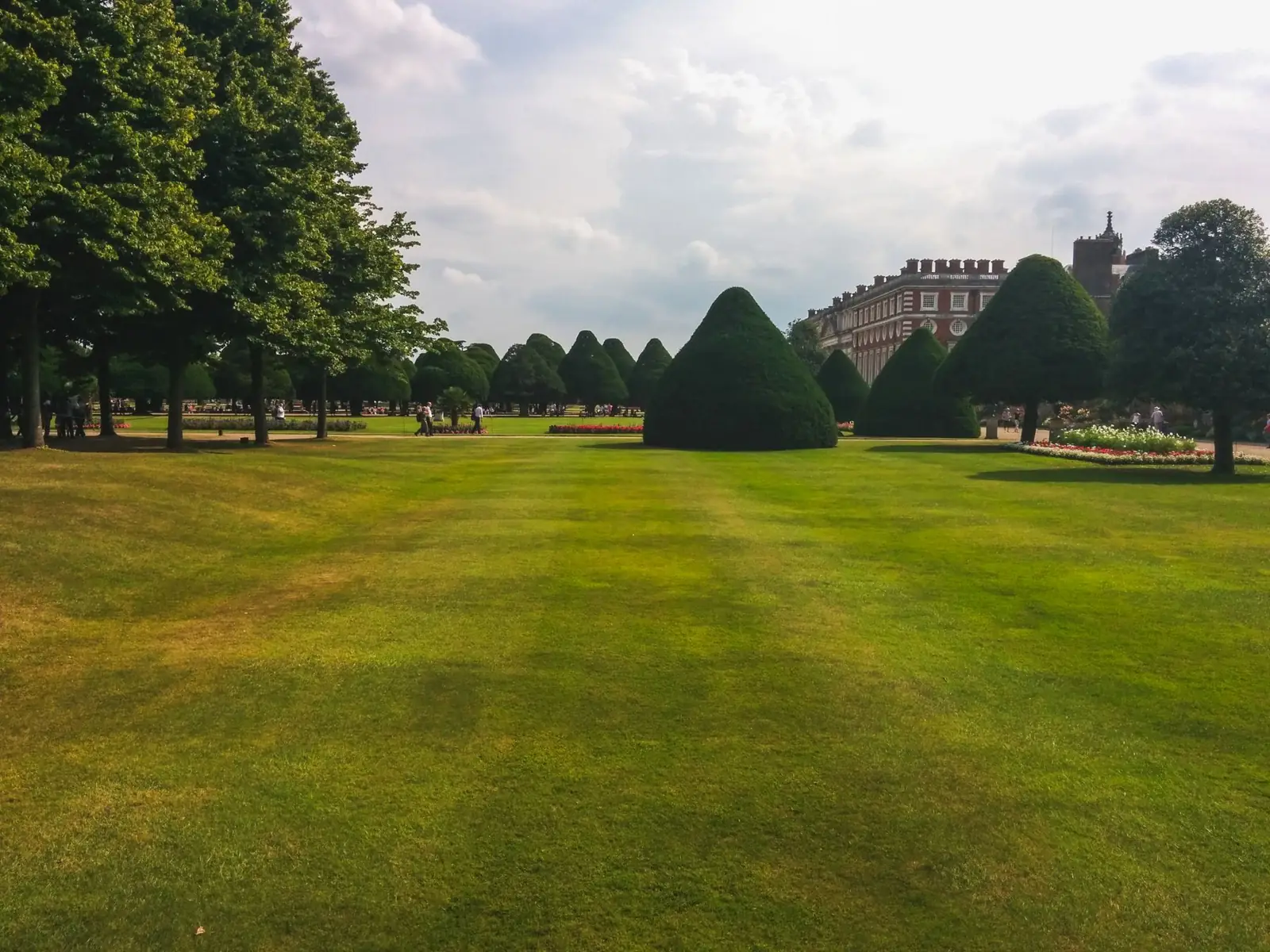
Flowers come and go. What holds a garden together through the year is its structure: hedges, clipped shapes, trees and plants with strong, sculptural form. This is architectural planting, and in winter it is what you see.
What we mean by architectural planting
Architectural plants are chosen as much for their shape as their flowers. They fall into a few groups, and most good gardens use all of them.
- Clipped evergreensYew, box alternatives, holly and phillyrea cut into hedges, domes and blocks.
- Trained treesPleached hornbeam and lime, cloud-pruned shapes and avenues of clear-stemmed trees.
- Bold foliageRodgersia, melianthus, fatsia, cardoons and acanthus for drama.
- Strong seedheadsPhlomis, eryngium, teasels and grasses that stand through winter.

Structure and softness
A garden made only of clipped shapes can feel severe. The best effect comes from contrast: loose, airy perennials and grasses moving against dark, solid hedges. The hedge makes the planting look lighter; the planting makes the hedge look crisper.
Architectural planting in the country
In a large country garden, structure creates rooms and frames views. A yew hedge with a gap cut in it becomes a doorway to the landscape. An avenue of trees leads the eye to a distant point. Mown grass shapes against long meadow are architecture made out of nothing but a mower.
Architectural planting in the city
In town, a single multi-stemmed tree, a run of pleached trees along a boundary or a group of clipped domes can give a small garden real presence. Because these elements are evergreen or have a strong winter outline, they keep the garden looking designed in every season.

Looking after structure
Clipped plants need clipping, usually once or twice a year. We specify plants that suit your soil and the time you have, and favour box alternatives such as Ilex crenata and yew where box blight or caterpillar is a risk.