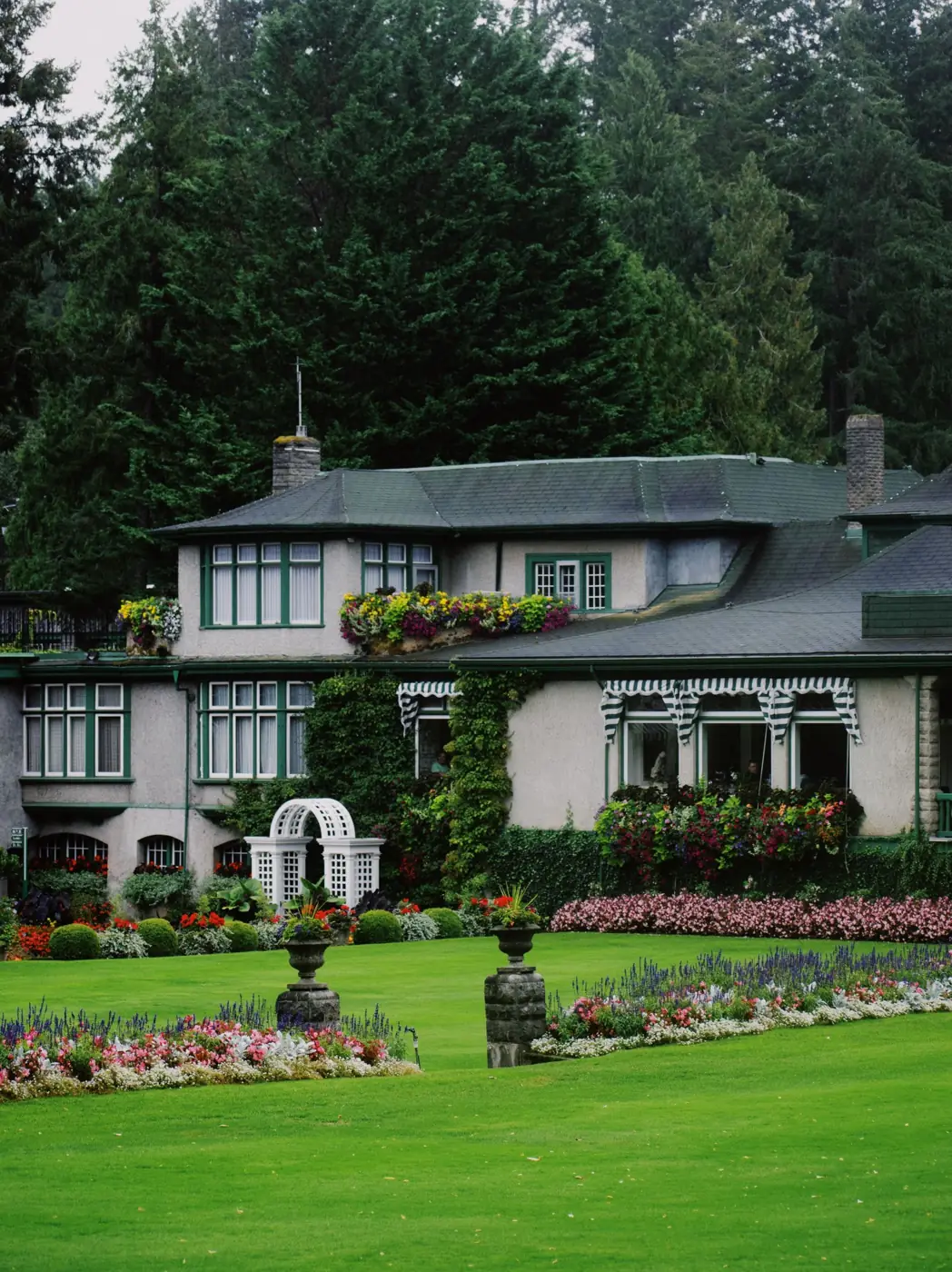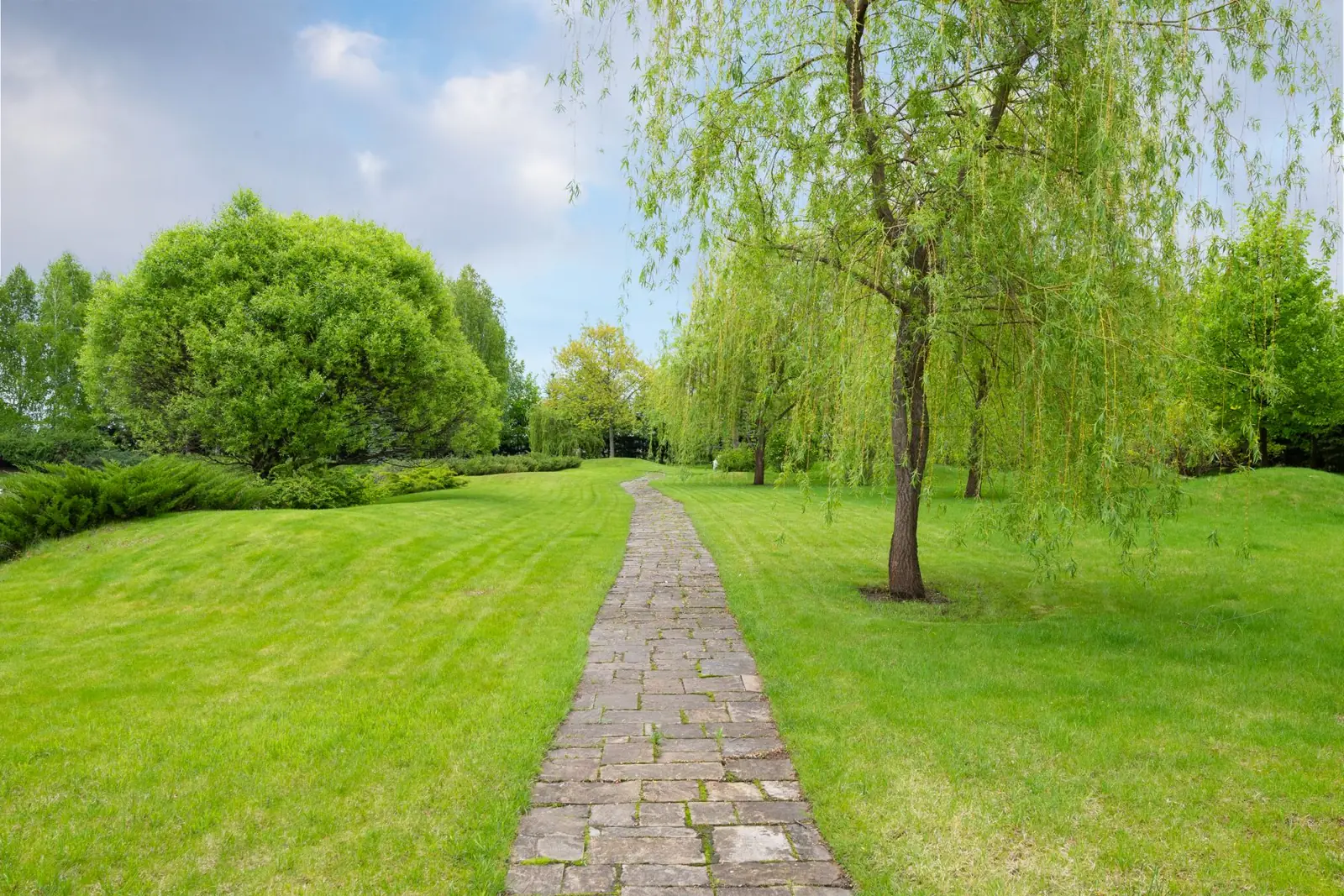
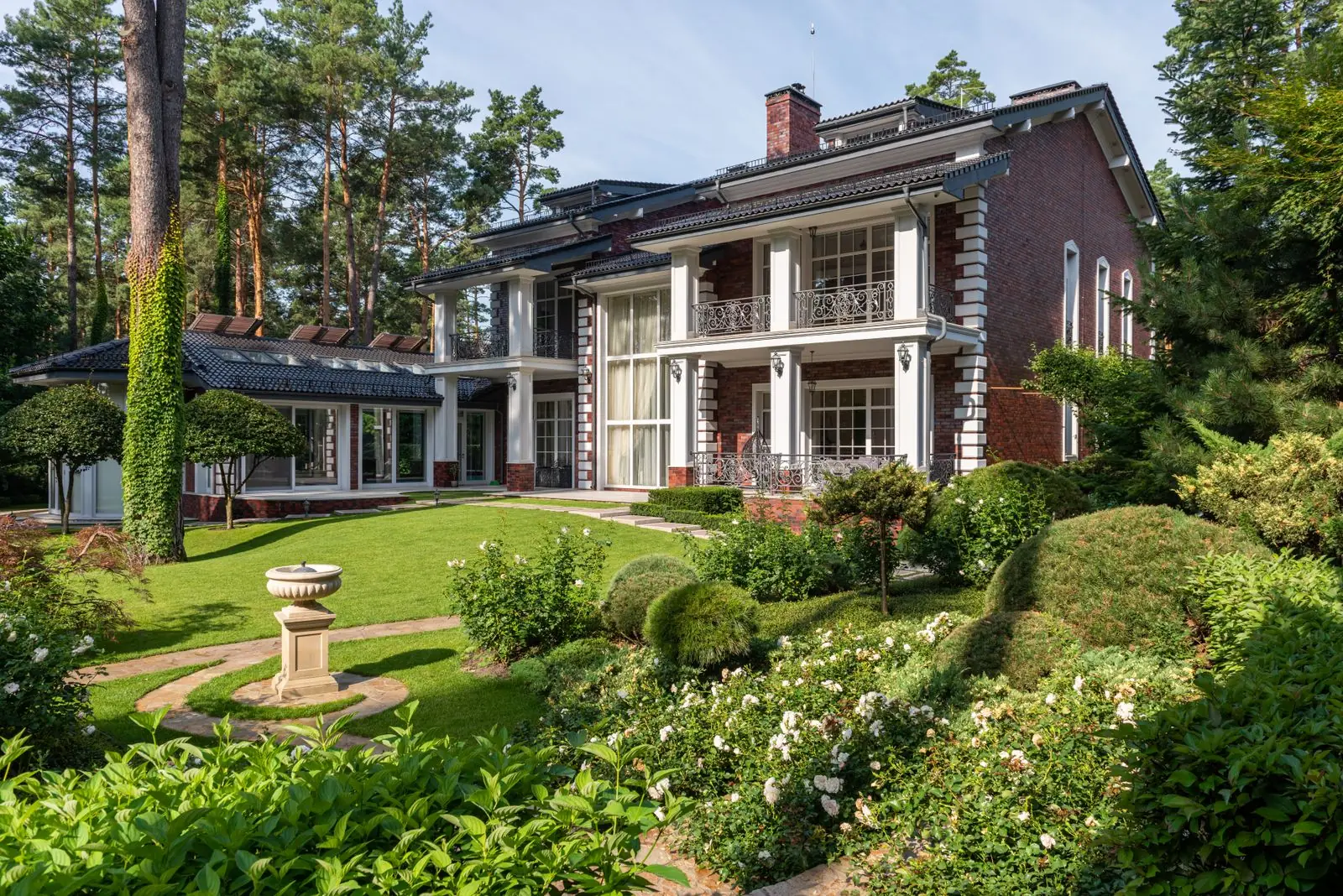
A family garden has to do a lot. It is a playground, a dining room, a vegetable patch and somewhere for adults to sit quietly once the children are in bed. Good family garden design makes room for all of it without the garden looking like a compromise.
Start with how the family uses the space
Before anything is drawn we ask practical questions. Where do the children play now? Where does the ball go? Where does the sun land at teatime? Who gardens, and how much time do they have? The answers shape the layout far more than any style.
- Open lawn where it can be seen from the kitchen, sized for games and laid on good ground so it survives them.
- Hidden places such as a path through tall planting, a willow den or a seat under a tree, so the garden has something to explore.
- A terrace big enough for the whole family to eat outside, with shade for summer lunches.
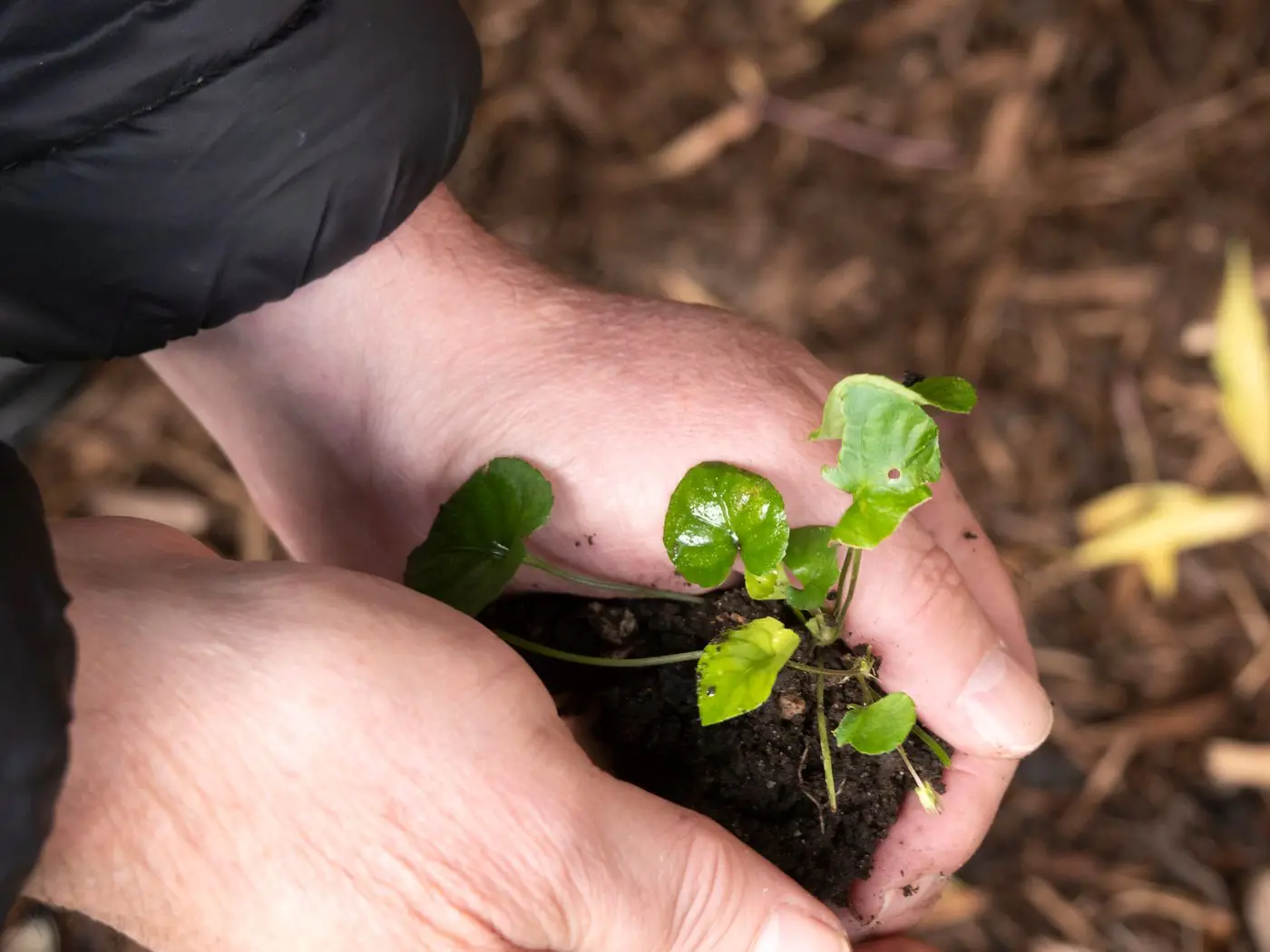
- Edible planting: fruit trees, herbs by the door and a raised bed children can sow themselves.
Borders that survive a football
Delicate planting next to a lawn used for games does not last. We use resilient shrubs and perennials at the front of borders: hardy geraniums, hydrangeas, viburnums and grasses that bounce back. The more fragile treasures go further back, behind a low hedge or up on a raised bed.
Designing for change
Children grow up quickly. We plan family gardens in layers so that the play areas can become something else later. A sandpit becomes a pond or a herb bed, a play lawn becomes a meadow, a den becomes a garden studio. Getting the bones right (levels, paths, drainage, trees) means the garden can evolve without starting again.

Safety without fuss
We avoid poisonous and spiky plants near play areas, design water features that are safe for small children, and choose surfaces that are not slippery in winter. None of this needs to look municipal.