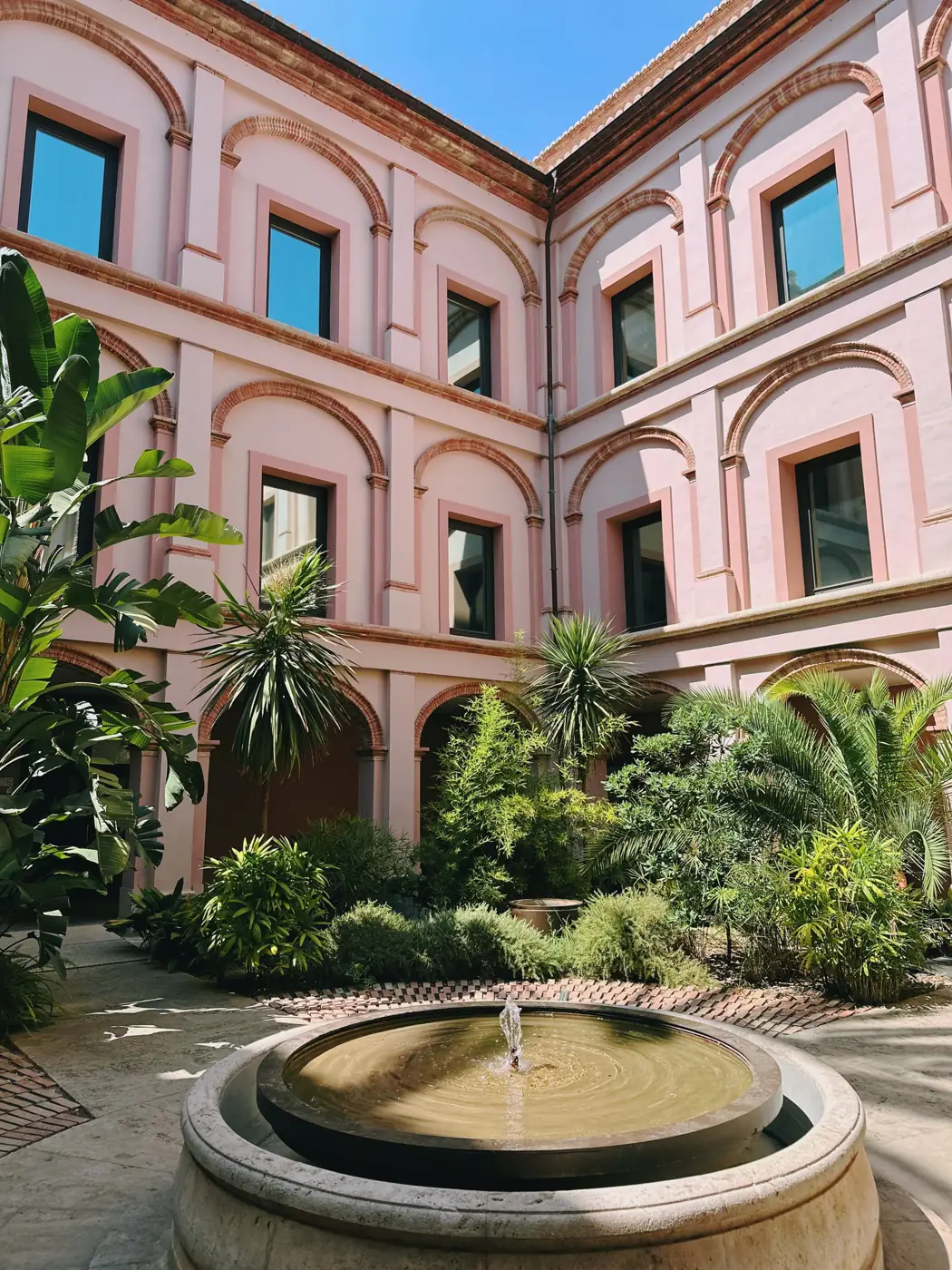
Courtyards are some of the most rewarding gardens to design. They are small enough to get every detail right and close enough to the house to be enjoyed every day. They are also unforgiving: a poor decision is on show from the kitchen window all year.
1. Start with a single idea
The courtyards that work best usually do one thing well. It might be a shady green room of ferns and big leaves, a sunny Mediterranean terrace or a calm space built around a single tree. Decide on the mood before choosing a single material, and let every later decision follow from it.
2. Use fewer, larger materials
In a small space, lots of materials and small units make the ground look busy and the space smaller. Choose one paving material in a generous format and run it from the back door to the far wall. If you can match it to the floor inside, the courtyard will read as an extension of the room.
- Pale stone or porcelain bounces light into a shaded courtyard.
- Laying paving on the diagonal makes a narrow space feel wider.
- Leave planting pockets in the paving rather than lining every edge with a narrow border.
3. Plant the walls
Walls are the largest surface in most courtyards and the biggest planting opportunity. Evergreen climbers such as Trachelospermum jasminoides and wall-trained shrubs like pyracantha or espaliered pears soften brick and give you vertical green without taking floor space. Fit wires or trellis before the paving goes down.
4. Choose plants for the light you actually have
Most London courtyards get only a few hours of direct sun. Rather than fighting it, plant for it. Ferns, hostas, fatsia, hydrangeas, epimediums and Hakonechloa macra all thrive in shade. In a sun-trap, use olives, rosemary, salvias, lavender and grasses planted in free-draining beds.
5. Add height with a tree
A single small tree changes a courtyard more than anything else. It gives a canopy to sit under, screens overlooking windows and casts moving shadows on the walls. Multi-stemmed amelanchier, Japanese maple, Cercis canadensis and crab apples all suit small spaces.
6. Build in seating
Freestanding furniture eats space. A bench built into a raised bed or along a wall gives seating without clutter and doubles as somewhere to put pots and drinks.
7. Light it for winter evenings
You will look at your courtyard from inside far more often than you sit in it. Low, warm lighting that picks out a tree trunk or a wall of foliage turns it into a picture on dark evenings.
Common mistakes
- Too many small pots, which dry out quickly and clutter the space.
- Ignoring drainage. Enclosed courtyards often flood without it.
- Choosing plants for a sunny garden centre display rather than a shaded yard.
If you would like help planning a courtyard, see our approach to courtyard garden design.